
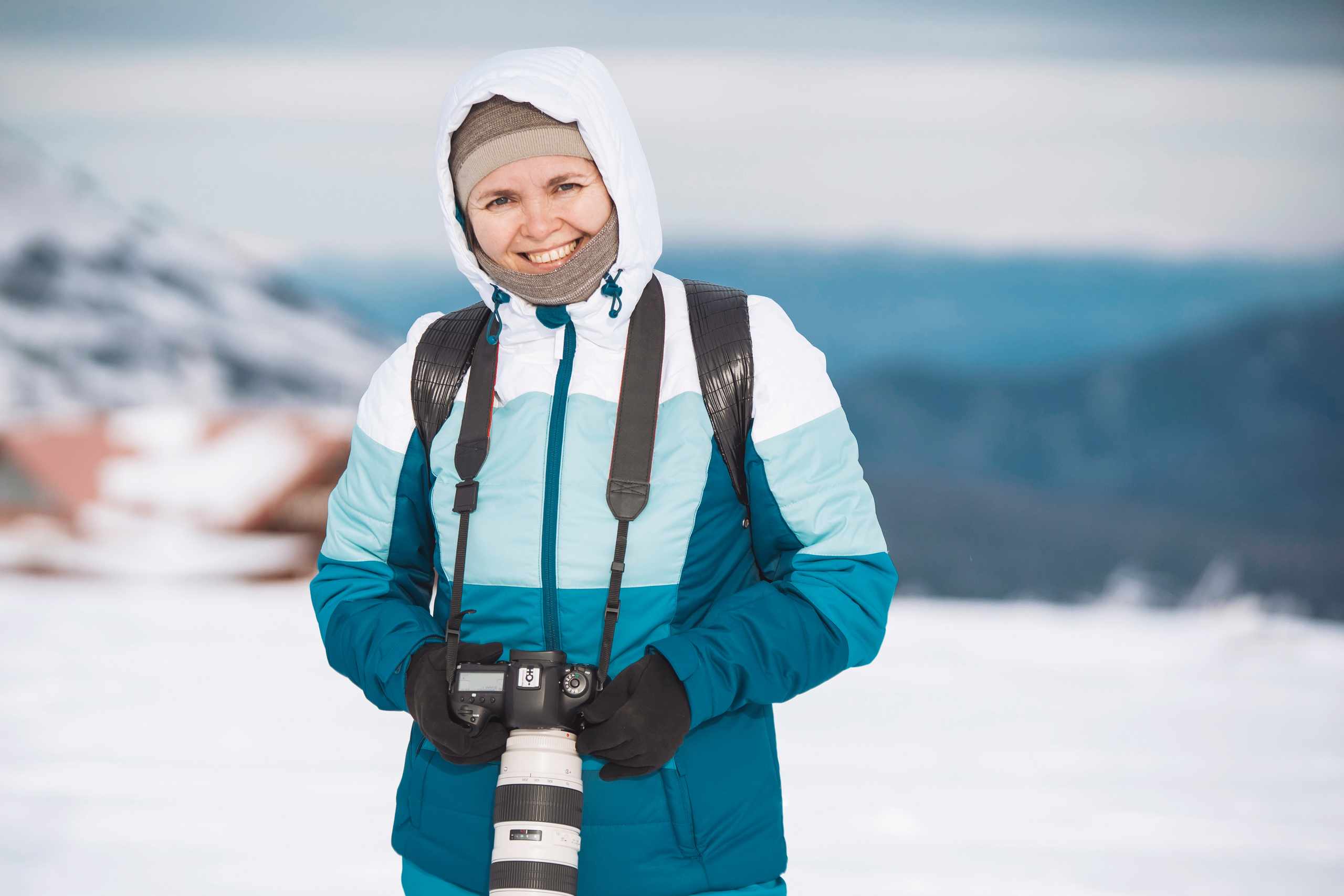
Negative space is the rest of the image around the main subject where not much is happening. These parts of the image may include shadows, a plain wall, open sky or water, pavement or any area where color is soft and there’s not much going on.
Negative space doesn’t have to be plain. It may have some texture, be soft in focus or show a gradient between lights and darks. A bright sky with some distant clouds could act as negative space as long as it doesn’t distract from the main subject of the picture.
A small subject might still make a good photograph if placed in a big frame as long as it balances with the area surrounding it. You can also make the subject a solid color or silhouette to keep it from getting lost. The success of these photos comes from a strong contrast between what is happening and the space around it. The negative space can be made more interesting through color, texture, or by interacting with the subject in some way that creates a relationship.
Balance doesn’t necessarily mean making the subject center of the frame. A centered subject feels stable and symmetrical. The negative space around an off center subject can lend a sense of direction and movement.
Negative space often feels more interesting if it’s connected to the subject. It becomes a part of the story rather than just a void surrounding the subject. You might add a shadow, leave space in the direction of a moving subject or leave open space in front of where your subject is looking. The empty space becomes part of the story.
Try shooting the same scene from slightly different angles to see how they affect the amount of space around your subject.
Set up a photograph that’s just an object against an empty wall, or some other uncluttered scene. Try to keep the subject simple and minimize the other elements in the frame.
Shoot a composition with your object and not much space around it. Then take a second photo and leave a little room. In the last photo, show as much of the empty area as possible. Try to keep the shooting angle and direction of light the same.
Negative space is the only change between these photos. Now you can compare the pictures to see the effect it has on the photo. See what jumps out first. Does the negative space overpower the subject or is the object still important? Does the negative space make you feel tense or relaxed? Does it seem to lead somewhere? It’s okay if you feel that the negative space is too much and doesn’t seem to fit the picture. You can usually walk forward or tighten the crop to remove it. You might also try moving a little to the side or changing the camera height slightly.
The best use of negative space is when all of the objects in a photograph have a purpose. If something in the photo seems unnecessary or doesn’t add anything, eliminate it. When you’re deciding what to include, think about each element and how it will relate to the others.